About the Project
The ocean around Aotearoa New Zealand is warming faster than the global rate, fuelling weather systems and changing the ocean near the coast. Aotearoa New Zealand is currently unprepared for the changes a warming ocean brings.
Our project is creating the next generation tools needed for climate-related decisions by providing novel observations, projections, and forecasting of ocean temperatures and assessing the modification of extreme weather through the following projects:
Ocean at the Edge
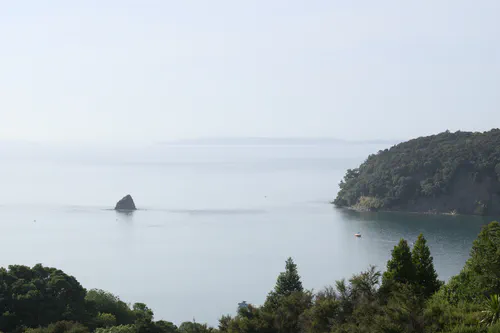
This project investigates where and why our regional oceans are warming. By integrating satellite data, robotic floats, and shipboard surveys with the innovative BlueMaps data assimilation technique, the project will map heat in the region and the connection between the deep and coastal oceans.
Key outcomes include:
Deep Ocean Temperature Changes and Driving Mechanisms: Combine measurements using new mapping techniques and investigate how ocean currents, wind patterns, and bathymetry influence heat storage and transport.
Coastal Ocean Temperatures: Developing a high-resolution coastal reanalysis from the Maui glider surveys and data collected from fishing vessels (collected by the Mangōpare programme) to identify the coastal “heatscape”.
Ocean of the Future
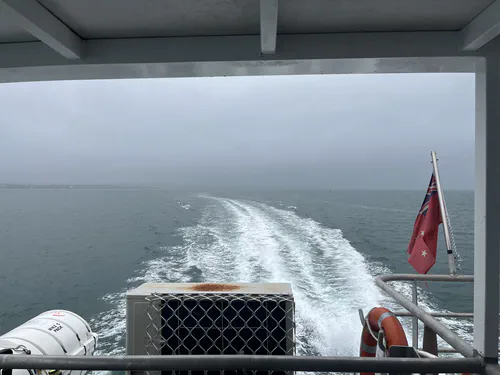
This project brings global climate information to the finer scales needed for decisions in Aotearoa New Zealand.
Key outcomes include:
High-Resolution Ocean Downscaling: Transforming global projections of the ocean into local projections by resolving the narrow ocean currents and regional temperature extremes that global models miss.
Machine Learning Forecasts for Sea Surface Temperature: Using “past analogues”—searching historical data for patterns similar to current conditions—to predict sea surface temperatures (SST) and quantify uncertainty.
Coupled Weather Modeling of storm and coastal ocean interactions: Simulating the interaction between the atmosphere and a warming ocean at scales under 100km to understand how ocean heat strengthens “atmospheric rivers,” tropical cyclones, and extreme rainfall and how evolving coastal temperatures during a storm can modify the severity and path of weather events as they make landfall.
Ocean Impacts
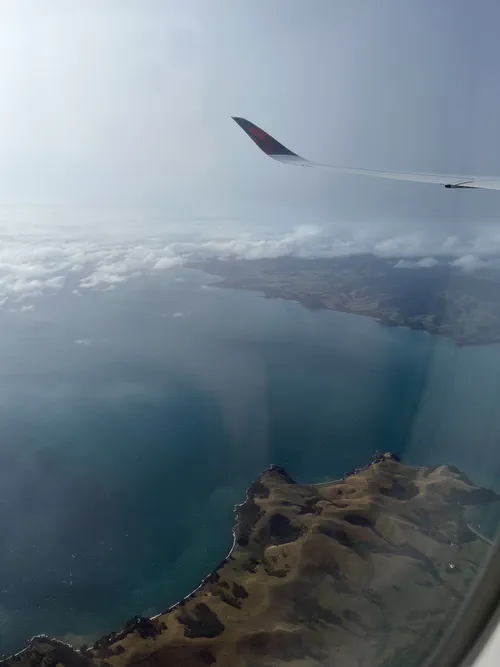
This initiative examines how shifts in ocean physics—such as warming and freshwater runoff—alter the oxygen and nutrients in our ocean that underpin biological health.
Key outcomes include:
Nutrient Cycling via Cyclones: Investigating how strengthening tropical cyclones pull nutrient-rich deep water to the surface, triggering phytoplankton blooms in nutrient-poor regions.
Deoxygenation Pathways: Tracking how waters with less dissolved oxygen move below the surface to create low oxygen zones that threaten the survival of fish and marine bacteria.
Impacts of Extreme Events in the Coastal Ocean: Impacts of weather events will be investigated in detail in two coastal areas, the Hauraki Gulf and the Otago Shelf, with new measurements and high-resolution, numerical simulations of the ocean physical and biogeochemical properties.
Ocean Connections
This project connects the ocean and atmosphere to societal values and experiences to enhance resource management and decision-making at local, regional and national scales.
Key outcomes include:
Managing for future ocean risks: An analysis of coastal policies and plans currently in place will assess strategies and identity opportunities to incorporate ocean observations.
Community Engagement: Capturing the lived experiences of those in coastal areas through co-creation workshops.
Co-develop science communication: Guidance and narratives will be co-developed with stakeholders, incorporating information from the project and resourcing decision-makers.
Our Partners






Supporting Organisations